
EU SHOCKWAVES: HUNGARY’S UNEXPECTED MOVE THRILLS AND WORRIES BRUSSELS
Europe woke up to a storm of speculation and confusion this morning as reports surfaced that Hungary has taken a sudden, unexpected step that could reshape the balance of power within the European Union. Observers across the continent are struggling to interpret what this development truly means, and political analysts warn that the repercussions may extend far beyond Brussels.
According to initial reports, Budapest’s latest action involves a shift in its stance on a long-standing policy debate that has, for months, frozen cooperation between several EU member states. While the exact details remain shrouded in secrecy, sources close to the matter suggest that high-level discussions took place behind closed doors, and key decision-makers in other EU capitals were caught by surprise. The move has sparked an immediate wave of reactions—from cautious optimism in some quarters to outright alarm in others.

Analysts are divided on how to interpret this sudden pivot. Some argue that Hungary is signaling a willingness to compromise after months of stalemate, potentially opening the door to broader negotiations on issues that have long divided the Union. Others, however, warn that this could be part of a more calculated strategic maneuver, one that might allow Budapest to strengthen its influence over certain EU decision-making processes while leaving other members off balance. The uncertainty is palpable, and no clear consensus has emerged among experts.
The political reverberations have already been felt. Social media is flooded with speculation, with hashtags related to the issue trending across multiple European countries. Headlines range from cautious curiosity to alarmist warnings, and commentators are dissecting every possible implication. Citizens in several capitals are watching nervously, wondering if this unexpected move could signal a deeper, more fundamental realignment of European priorities.
A recurring question is whether this is a one-time compromise or the first sign of a more significant strategic shift. While some believe it might simply represent a temporary easing of tensions, others warn that it could mark the beginning of a gradual, subtle transformation in how power is negotiated and exercised within the EU. The stakes are high, and the lack of transparency only fuels speculation.
What makes the situation particularly intriguing is the contrast between the official statements and what appears to be happening behind the scenes. On the surface, Brussels officials have expressed cautious appreciation for any effort toward dialogue and compromise. Yet, reports from diplomatic circles suggest a flurry of intense meetings and rapid-fire communications, indicating that there is far more at play than is being publicly acknowledged. The secrecy itself has become a source of tension, as member states try to discern the intentions behind Hungary’s actions without complete information.
Economic implications are also being discussed, although less openly. Some analysts have pointed out that any shift in policy alignment could influence trade negotiations, funding allocations, and investment decisions across the continent. While it is too early to predict concrete outcomes, the mere possibility has created unease among business leaders and financial markets alike. Questions abound: Will this move stabilize the EU, or could it introduce new uncertainties? Are member states being forced into compromises that could have long-term consequences?
The situation is further complicated by the complex web of alliances within the European Union. Hungary has, in recent years, cultivated relationships with certain member states while maintaining a cautious distance from others. Observers note that this latest move might be a carefully calculated attempt to reposition the country as a pivotal player in upcoming negotiations, leveraging its influence to achieve strategic objectives. Such maneuvers, while not unprecedented, are always fraught with risk—and the stakes have rarely been higher.
Public reaction is another layer of intrigue. Citizens and activists alike are monitoring the news with intense interest. Some see hope in the possibility of renewed dialogue and compromise, while others express deep concern about what they perceive as secretive political maneuvering. The uncertainty feeds both optimism and anxiety, leaving Europe’s population on edge as they wait for further clarification.

International observers are weighing in as well. Analysts outside Europe have been quick to highlight the potential ripple effects of Budapest’s move on diplomatic relations, regional stability, and broader global policy trends. The fact that such a sudden change could have far-reaching consequences beyond the continent underscores the gravity of the situation.
In short, the air is thick with anticipation. Every statement, every gesture, and every leaked detail is scrutinized for hidden meaning. The lack of transparency adds to the drama, and speculation has become a force unto itself, shaping both public perception and political discourse. Whether this event turns out to be a minor blip or a historic turning point remains to be seen, but one thing is certain: Brussels—and indeed, all of Europe—is watching Hungary closely.
As discussions continue behind closed doors, the questions multiply. How will other member states respond? Will this move lead to genuine compromise, or will it trigger further tensions? Can Hungary maintain its current trajectory without alienating allies? And most intriguingly, is this just the beginning of a broader reshaping of European politics, one that could redefine power structures for years to come?
For now, the only certainty is uncertainty itself. Analysts, diplomats, and citizens alike are left to speculate, trying to piece together a coherent narrative from fragments of information and fleeting reports. The tension is palpable, the stakes are enormous, and the full story has yet to emerge. In the meantime, Europe waits with bated breath, aware that the decisions made in the coming days could have profound implications for the continent’s future.
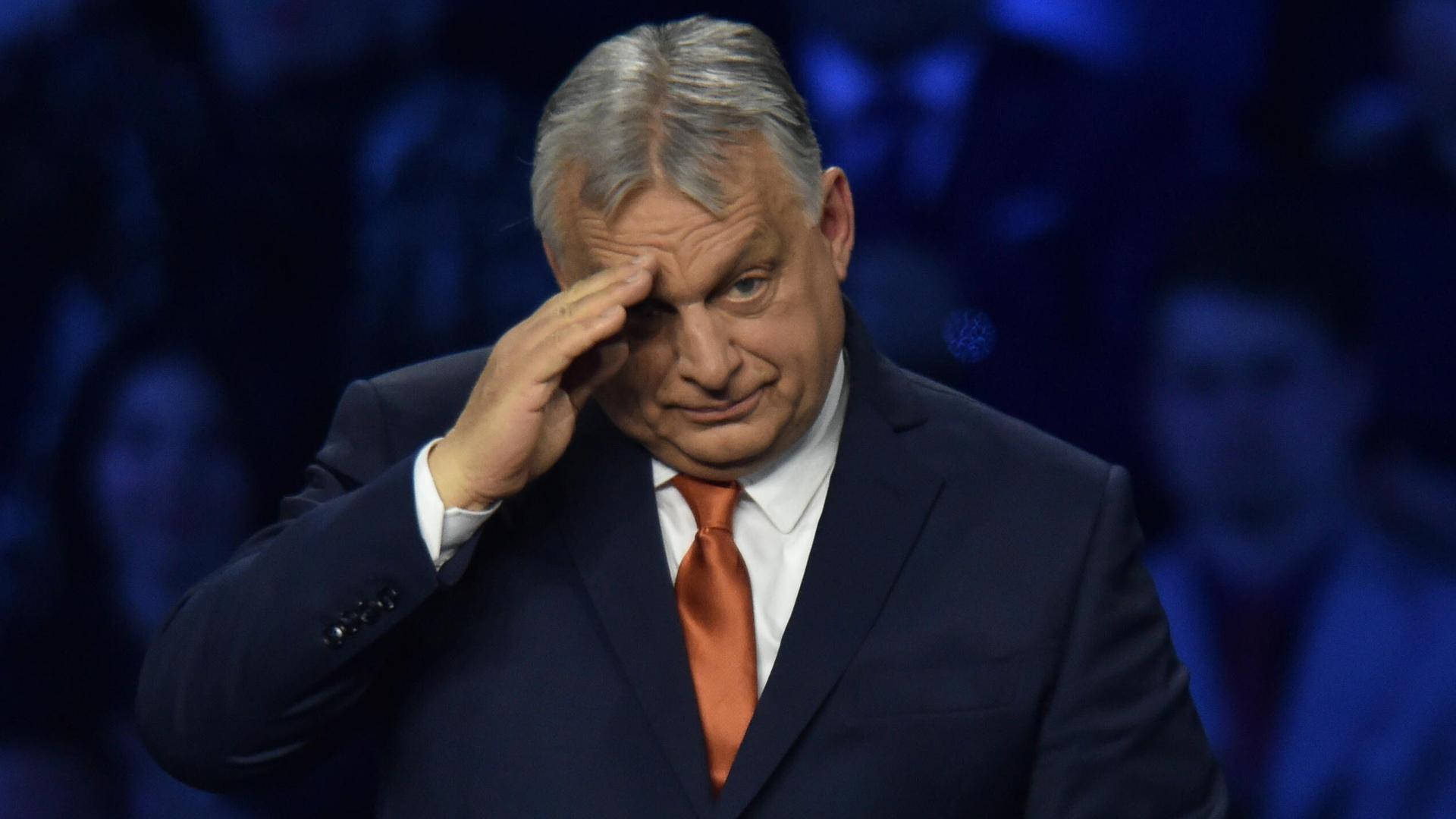
In the world of politics, few moments are as electrifying—and as unnerving—as a sudden, unexpected shift that catches everyone off guard. Hungary’s move has done exactly that, igniting a wave of intrigue, speculation, and debate that shows no signs of abating. The EU finds itself at a crossroads, and how it navigates the next steps will be watched—and analyzed—by millions.
One thing is certain: in the coming weeks and months, every word, every meeting, and every decision will be scrutinized, as Europe tries to understand the full significance of this sudden, shocking development. Whether it is the start of a new chapter or merely a temporary detour remains unclear—but the suspense is undeniable, and the stakes could not be higher.